Crochet Yarn Calculator
Your project
- Scarf / cowl✓
- Hat / beanie✓
- Amigurumi (small)✓
- Amigurumi (large)✓
- Bag / tote✓
- Baby blanket✓
- Throw blanket✓
- Twin blanket✓
- Queen blanket✓
- Cardigan / sweater (adult M)✓
- Choose custom dimensions✓
- Lace / fingering✓
- Sport / DK✓
- Worsted / Aran✓
- Bulky✓
- Super bulky✓
Your chart
- Scarf / cowl✓
- Hat / beanie✓
- Amigurumi (small)✓
- Amigurumi (large)✓
- Bag / tote✓
- Baby blanket (30″×36″)✓
- Throw blanket (50″×60″)✓
- Twin blanket (66″×90″)✓
- Queen blanket (90″×100″)✓
- Cardigan / sweater (adult M)✓
- Choose custom dimensions✓
- Slip stitch✓
- Chain✓
- Single crochet✓
- Half double crochet✓
- Double crochet✓
- Treble crochet✓
Total yarn needed
Our Free Patterns
Put That Yarn to Work
Browse our free crochet patterns and find your next project.

Two Ways to Estimate Your Yarn
01
By Project Size
By Project Size is the fastest option, and the one most crocheters need. Choose a project type from scarf, hat, amigurumi, bag, baby blanket, throw, twin, queen or a sweater, select your yarn weight, and the calculator estimates total yardage using typical usage for that project. If your project doesn’t match a preset, enter custom dimensions instead.
02
By Stitch Count
By Stitch Count is built for chart-based work such as graphghans, tapestry crochet and corner-to-corner projects, where you already know your total stitch count from a pattern or chart. Enter your stitch count, stitch type, and how much yarn each stitch typically uses, and the calculator works out the total from there. This mode matters because stitch type changes yarn usage more than most crocheters expect: a chart worked in double crochet can use twice the yarn of the same chart in single crochet, simply because a taller stitch pulls more yarn through with every loop.
Both modes add a buffer percentage on top of the raw estimate, typically 10 to 20%, to cover swatching, tension differences, and the awkward moment of running one row short of the edge.
How Much Yarn Do I Need? A Quick Reference
These are typical yardage estimates for worsted-weight yarn at an average crochet gauge, before adding your buffer, and they double as a quick crochet blanket yarn calculator reference for the sizes crocheters ask about most. Use them as a starting point, then run your own project through the calculator above for a number based on your actual yarn weight and dimensions.
|
Project
|
Yardage (approx.)
|
Skeins (approx.)
|
|---|---|---|
|
Scarf |
350m (380 yards) |
2 skeins |
|
Hat or beanie |
150m (165 yards) |
1 skein |
|
Amigurumi (small) |
90m (100 yards) |
Under 1 skein |
|
Amigurumi (large) |
300m (330 yards) |
2 skeins |
|
Bag or tote |
250m (275 yards) |
2 skeins |
|
Baby blanket |
900m (985 yards) |
5 skeins |
|
Throw blanket |
1,800m (1,970 yards) |
9 skeins |
|
Twin-size blanket |
2,700m (2,950 yards) |
14 skeins |
|
Queen-size blanket |
3,600m (3,940 yards) |
18 skeins |
|
Cardigan / sweater (adult M) |
1,400m (1,530 yards) |
7 skeins |
Skein counts assume a standard 200m (219 yard) skein. Bulkier yarn needs fewer, longer skeins; finer yarn needs more, shorter ones, which is exactly what the yarn weight setting in the calculator adjusts for automatically.
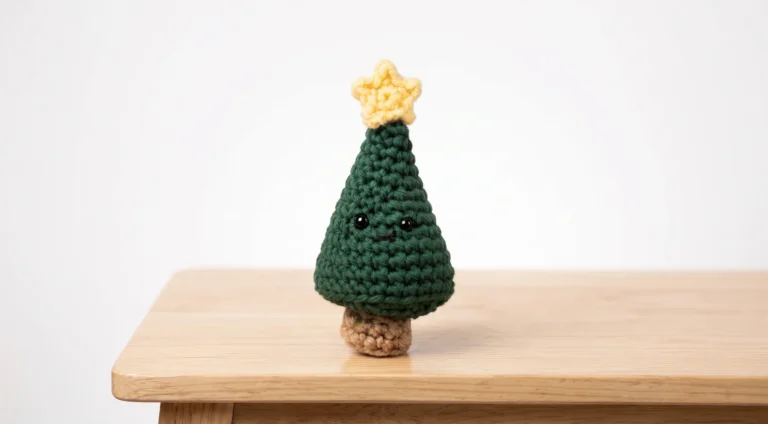
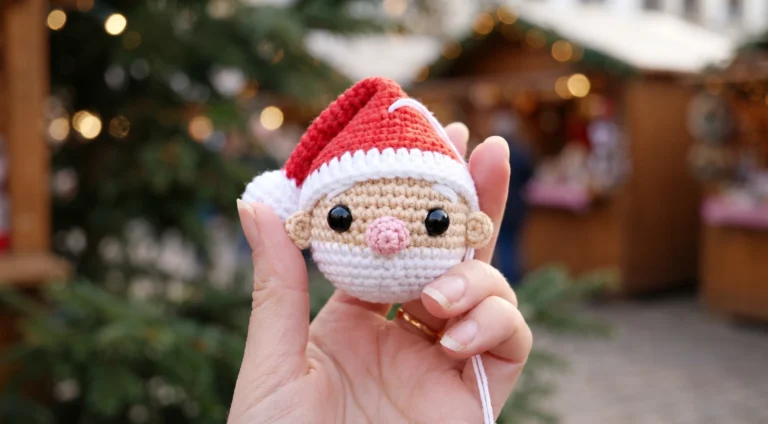
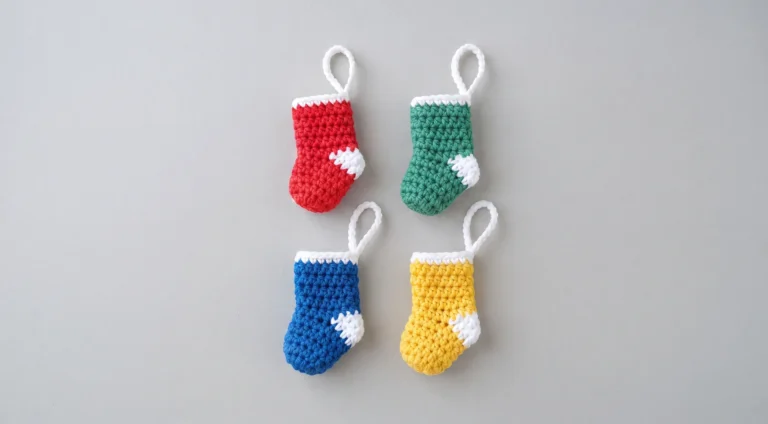
Most popular patterns
Browse the patterns everyone’s making right now, chosen by what our visitors actually download and love.
Why Yarn Weight Changes Everything
Yarn weight is the single biggest factor in how much length you need, because thicker yarn covers the same area in fewer, shorter stitches. A blanket in super bulky yarn might need a third of the yardage of the same blanket in fingering weight, even though the finished size is identical.
As a rough multiplier against worsted weight: lace and fingering yarn typically needs around three times as much yardage for the same project. Sport and DK weight need roughly 1.5 to 1.6 times as much. Worsted and Aran are the baseline. Bulky yarn needs around 0.6 times as much, and super bulky needs as little as a third. This is why two patterns for “the same” blanket can call for wildly different total yardage: they’re very likely written for different yarn weights.
Stitch Type Matters More Than You’d Think
Every stitch pulls a different length of yarn through the fabric. As a rough guide, using single crochet as the baseline: slip stitch uses about half as much yarn per stitch, chain stitch about a third, half double crochet about 1.5 times as much, double crochet about twice as much, and treble crochet about 2.5 times as much.
This matters most in chart-based and graphghan work, where your total stitch count is fixed by the design. A 150 by 200 stitch single crochet chart in worsted weight, at roughly 12cm of yarn per stitch, works out to around 3,600m of yarn, or about 18 skeins after rounding up for buffer. Switch that same chart to half double crochet and consumption rises to roughly 5,400m, or about 27 skeins, purely because of the taller stitch. If you’re deciding between stitch types for a large project, it’s worth running both through the calculator before you commit to a chart.
Using This as a Graphghan Yarn Calculator
Graphghans and other chart-based crochet projects need a different planning approach than a standard pattern, because your yarn requirement is driven by total stitch count rather than a size chart. Before buying anything, count or calculate the total stitches in your chart, both the base fabric and every color change.
Worked example: a 150 by 200 stitch single crochet chart, worked in worsted weight at roughly 12cm of yarn per stitch, needs approximately 150 × 200 × 12cm, which works out to about 3,600m of yarn, or roughly 18 skeins before rounding up for buffer. The same chart worked in half double crochet, at around 1.5 times the yarn per stitch, rises to about 5,400m, or 27 skeins, purely from the stitch height change.
Multi-color graphghans need one extra layer of planning: total yardage tells you whether the project is realistic, but you’ll also want a rough per-color breakdown so you don’t overbuy one shade and run short on another. A simple approach is to count the approximate percentage of the chart each color covers, then apply that percentage to your total yardage estimate. A color that covers 5% of a 3,600m project needs roughly 180m, plus a buffer, since small color sections still need full skeins if that colorway is only sold in fixed sizes.
Corner-to-corner (C2C) projects follow similar math to standard graphghans, since each C2C block is really just a cluster of stitches with a known yarn cost. If your pattern or generator gives you a block count rather than a raw stitch count, multiply blocks by the stitch count per block to get your total, then run that total through the calculator’s stitch-count mode.
How Many Skeins to Buy
The calculator gives you two numbers: exact skeins, the precise decimal amount your project needs, and safe skeins, that number rounded up to the next whole skein plus your buffer. Always buy the safe number, not the exact one, for a simple reason: skeins are sold as whole units, and a project that needs 8.3 skeins still requires a 9th skein to finish the last stitches.
For small projects like a hat or a pair of fingerless gloves, a 15% buffer is usually enough breathing room. For large, joined or striped projects, such as a granny-square blanket or a graphghan with many color changes, a 20% buffer is safer, since every seam, join and color change adds small, easy-to-underestimate amounts of extra yarn.
If your project uses more than one color, apply the same rounding logic to each individual color, not just the total. A blanket that needs 9 skeins overall might be 6 skeins of the main color and 3 of an accent, and each of those needs its own round-up, rather than rounding the combined total once.
Does Crochet Use More Yarn Than Knitting?
Generally, yes. Crochet stitches are typically bulkier and looser than knit stitches worked at a comparable gauge, so a crocheted project commonly uses somewhat more yarn than the same finished size in knitting, often in the range of 20 to 25% more. This calculator accounts for that difference when you toggle between crochet and knitting, so the estimate reflects the craft you’re actually working in rather than a generic yardage figure.
Common Reasons Crocheters Run Short on Yarn
A few things trip up even careful planners. Tension is the biggest one: a looser crocheter can use meaningfully more yarn than a tighter one working the exact same pattern, since looser stitches are physically bigger. Swatching in a different tension than your actual project is another common trap, since a rushed swatch often comes out tighter than relaxed, ongoing work.
Colorwork and graphghans have their own pitfall: every time a color starts and stops, a little yarn gets used in the tail ends, and a busy, detailed chart with lots of small color blocks can use noticeably more yarn than a simple, blocky one with the same stitch count. Border rounds, edging, and seaming are easy to forget too, and they can add up to a full extra skein on a large blanket.
Finally, dye lots are worth planning around rather than discovering mid-project. Yarn from the same colorway but a different dye lot can be a visibly different shade, and once a colorway sells out, it may not come back. Buying your full estimated amount upfront, from the same dye lot, avoids a stressful reorder halfway through a blanket.
Tips to Avoid Running Short
Yarn Calculator FAQ
What to Do Next
Once you know how much yarn your project needs, the next question is usually what to charge for it if you’re planning to sell. Try our Crochet Pricing Calculator, or head back to our free crochet patterns to pick your next project.