
Free Crochet Bag Patterns
Bags are some of the most practical things you’ll ever crochet, and one of the best ways to use up yarn sitting in your stash. Many makers also sell their bags, and our guide on how much to charge for crochet helps you price them fairly. This collection covers every kind of crochet bag pattern, from everyday totes to smaller purses and structured handbags, each worked in sturdy stitches that hold their shape under real use.
Choose a style below to see its materials, size and skill level, then download the PDF and get stitching.
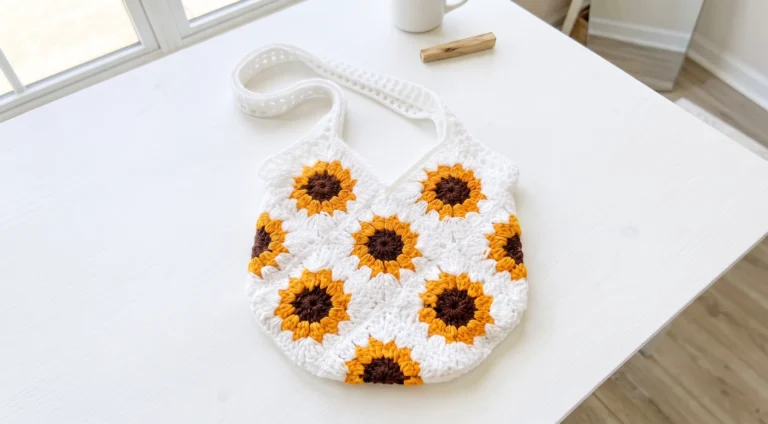
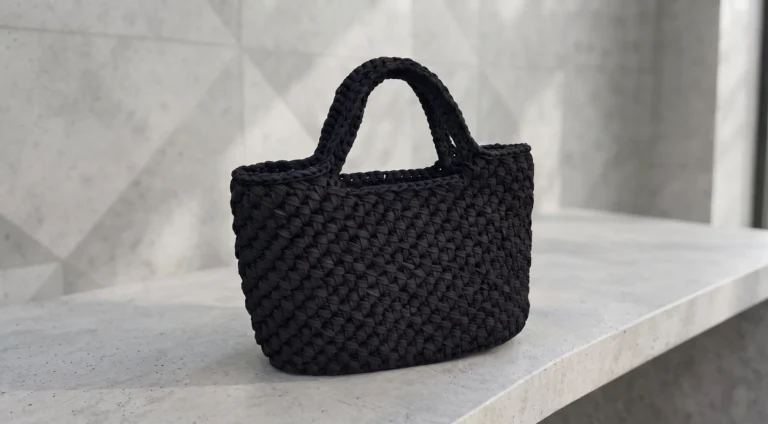
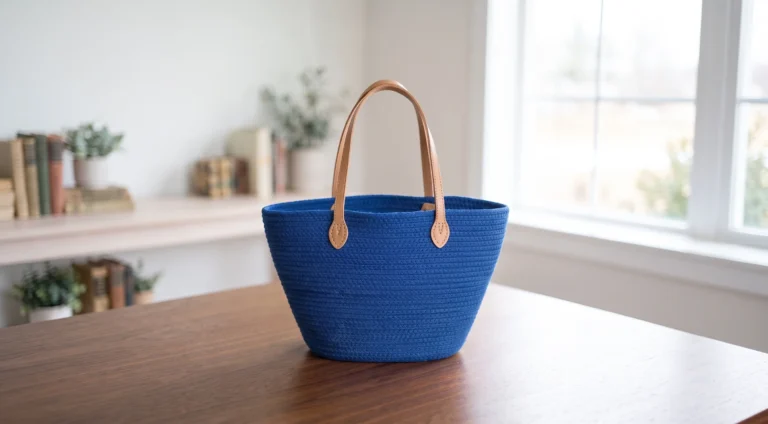
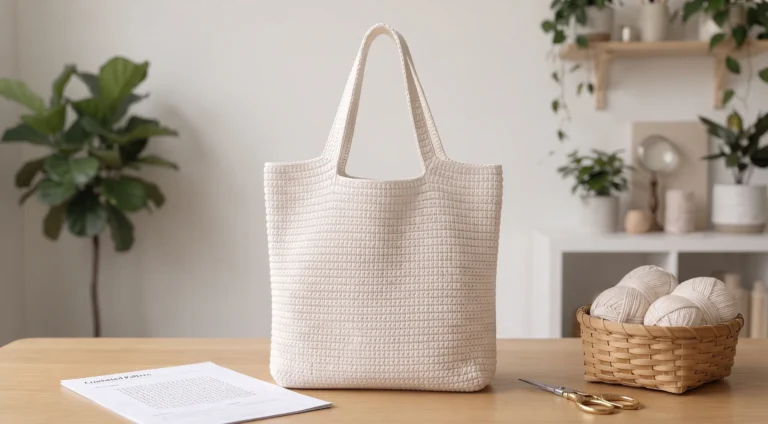
Choosing the Right Kind of Bag to Make
Bags range from a quick weekend project to a detailed handbag with lining and hardware.
1
Tote Bags
Roomy, sturdy and endlessly useful. A crochet tote bag pattern is often worked in a dense stitch for structure, making it a reliable everyday carry for shopping, the beach or books.
2
Purses
Smaller and often more detailed, crochet purse patterns range from simple drawstring pouches to structured styles with a zip or clasp. A satisfying weekend project.
3
Handbags
Fashion-focused bags with more shaping, sometimes worked with fabric lining or a bag base for extra support. A crochet handbag pattern is a good next step once you’ve made a tote or purse.
4
Market and Produce Bags
Open, mesh-style bags worked in simple stitches, popular for shopping and as a fast, low-stress project between bigger makes.
Why Crochet Bags Are Great for Beginners
Yes, and they’re one of the most forgiving projects around. A bag doesn’t need to fit a body, so there’s no shaping to worry about and far less unpicking if something looks slightly off. Simple tote bags, worked in rounds or straight panels with basic stitches, are an ideal first bag.
The stitches that make a bag sturdy, such as single crochet, are also some of the easiest to learn, which makes bags a great project to practise even tension and straight edges before moving on to garments.
Stitches That Suit Bags
Bags need to hold their shape, so structure matters more here than drape.
Choosing Yarn for a Bag
01
Strength matters more than softness for bags. Cotton is the most popular choice, since it’s sturdy, holds its shape and doesn’t stretch out of shape the way some acrylics do under weight. Worsted or aran weight cotton, worked on a slightly smaller hook than the label suggests, gives the firm, dense fabric a bag needs. Wool and acrylic can work well for lighter bags, but check how much weight the finished piece will need to carry.
02
Many crocheters work bags one hook size smaller than the yarn label recommends. A tighter stitch means less give, so the bag holds its shape and its contents don’t peek through the gaps between stitches. If your fabric feels floppy after a test swatch, try dropping a hook size before you start the full bag.
Choosing a Bag Size
Bag sizes vary more than almost any other category, since they’re built around use rather than a body. As a rough guide:
01
Small purse
About 6 to 8 in (15 to 20 cm) wide
02
Everyday purse
about 9 to 11 in (23 to 28 cm) wide
03
Tote bag
about 14 to 18 in (35 to 45 cm) wide
04
Market bag
expands with weight, often 12 to 16 in (30 to 40 cm) flat
Strap length is worth checking separately. A short handle sits in the hand, while a longer strap allows the bag to sit on the shoulder or cross the body.
Do Crochet Bags Need Lining?
Not always, but lining changes how a bag performs. An unlined bag is quicker to finish and shows off the stitch pattern, which suits open, textured designs. A lined bag, made from cotton fabric sewn inside, stops small items slipping through the stitches and adds structure, especially for handbags and purses meant to hold everyday essentials. If you’re new to sewing, start with an unlined tote, then try lining once you’re comfortable with the crochet part.
Adding Structure to a Bag
A soft, floppy bag can be fixed after the fact. A plastic canvas or purchased bag base adds a firm bottom that stops the bag sagging. Fusible interfacing, ironed onto a fabric lining, stiffens the sides. Some crocheters also weave ribbon or cord through the base row as they work, giving extra support without changing the look of the stitches. These finishing touches are optional but make a noticeable difference on bags meant for daily use.
Bag-Making Habits Worth Building
A sturdy, long-lasting bag comes down to a few consistent choices.
Blanket Questions, Answered
What to Crochet Next
Made your bag? Add a matching accessory to go with it, or try a lightweight top for your next project.