
Free Crochet Blanket Patterns
From baby blankets to family-sized throws, these free crochet blanket patterns are worked in stitches beginners can learn quickly. Most are made in simple rows or squares, so a blanket is a rewarding first big project, and one you can pick up and put down whenever you like.
Open a pattern to see the yarn, hook and finished size, then download the PDF. Whether you want a soft gift for a new arrival or an afghan to throw over the sofa, there’s a design here to get you started.

Choosing the Right Kind of Blanket to Make
You can make several popular types of DIY blankets depending on your crafting skill level and style preferences.
1
Baby Blankets
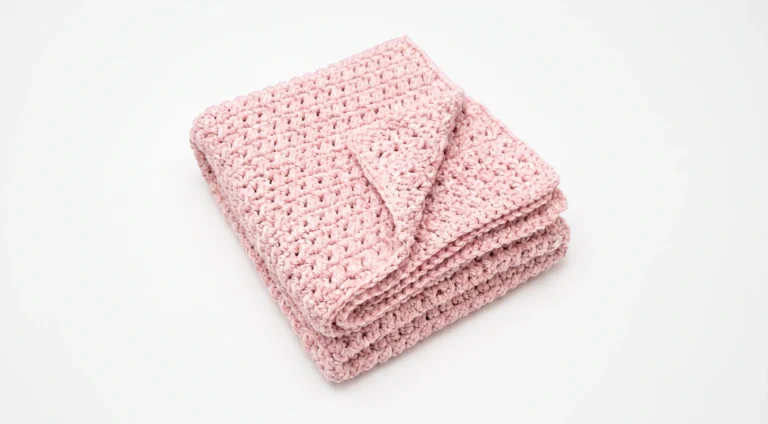
Small, quick and much loved. A baby blanket crochet pattern makes a lovely first blanket because you can finish it in a few weeks, and it’s a heartfelt gift for a baby shower or new arrival.
2
Throws and Afghans
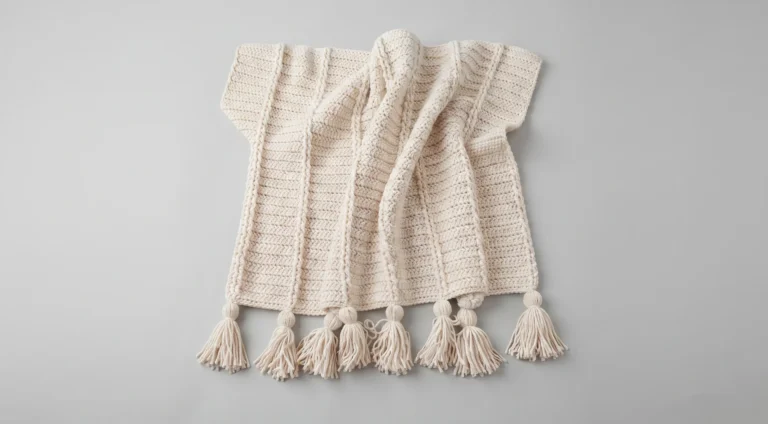
Bigger and cosier, made for sofas, armchairs and cold evenings. A crochet throw blanket pattern gives you room for texture and colour, and plenty of relaxed, repetitive stitching.
3
Granny Square Blankets
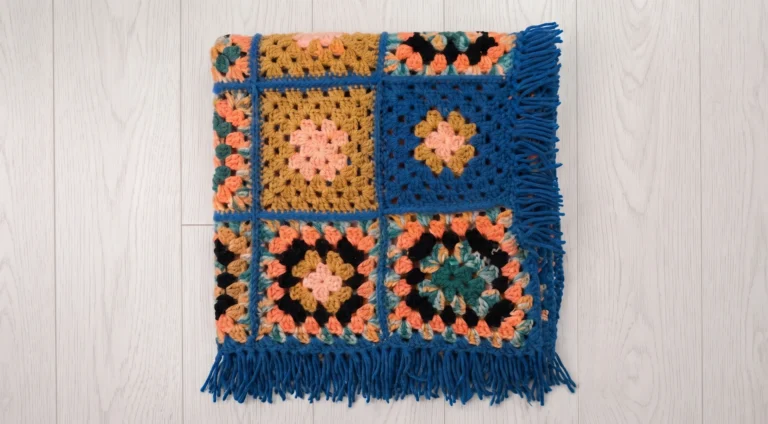
Worked one square at a time, then joined together. Squares are portable, easy to fix if you make a mistake, and great for using up leftover yarn in lots of colours.
4
Ripple and Textured Blankets
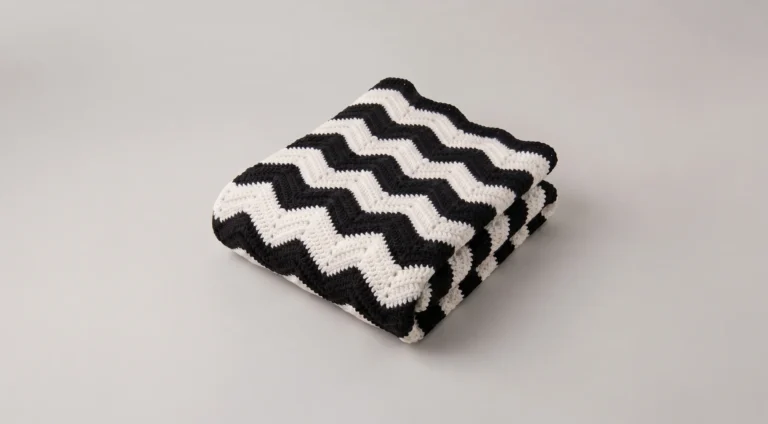
For crocheters who want more pattern. Ripple, chevron and textured stitches create waves, ridges and bold stripes, using the same basic stitches you already know.
What Makes a Blanket Beginner-Friendly
If you’re looking for easy crochet blanket patterns, choose one with a single repeated stitch, worked in straight rows. You’ll settle into a rhythm quickly, and mistakes are easy to spot. Chunky yarn and a larger hook make the blanket grow faster, which keeps you motivated.
Start with a smaller size, such as a baby or lap blanket, before you commit to a full throw. Count your stitches at the end of each row for the first few rows, and place a stitch marker in the first stitch so you can always find the edge. Both habits keep your sides straight and your blanket the size the pattern promises.
Stitches That Make Great Blankets
The stitch you choose changes how your blanket looks and feels.
Choosing Yarn for a Blanket
01
A blanket uses a lot of yarn, so it’s worth choosing carefully. Acrylic is affordable, soft and machine-washable, which suits everyday blankets and anything for a child. Cotton is cool and sturdy but heavier, so it drapes well and suits warm-weather throws. Wool and wool blends are the warmest, though many need gentle washing.
Always buy enough yarn for the whole project, and check that every skein shares the same dye lot, since colours can vary slightly between batches. A throw often takes well over 1,000 yards, so the materials list on each pattern is worth reading before you shop.
02
For babies, pick soft, washable yarn and skip buttons, beads and loose trims that could come off. Keep the stitches snug too, since very open lace can catch little fingers.
Choosing the Right Blanket Size
Sizes vary from pattern to pattern, so always check the finished measurements. As a rough guide:
01
Comfort blanket
About 12 to 16 inches (30 to 40 cm) square
02
Baby blanket
about 30 x 36 inches (76 x 91 cm)
03
Throw
About 50 x 60 inches (127 x 152 cm)
04
Bed blanket
measure your mattress and add the drop you want
Your yarn weight, hook size and tension all change the finished size, so a quick swatch before you begin tells you whether you’ll match the pattern.
Joining Granny Squares
If you’re making a blanket from squares, you have a few ways to join them. A slip stitch or single crochet seam is quick and sturdy. Whip stitching with a yarn needle gives a flat, almost invisible seam. Join-as-you-go methods connect each square to its neighbours while you work the last round, so there’s far less sewing at the end. Lay all your squares out before you join them, and rearrange until the colours feel balanced.
Choosing Between a Blanket, Throw or Afghan
These words overlap. Blanket is the general term. A throw is a smaller blanket for draping over a sofa or your lap. Afghan is mostly a US word for a crocheted or knitted blanket, often decorative and made in colourful stitches or squares. If you’re searching for crochet afghan patterns, you’ll find them here alongside our other blankets, because the techniques are the same.
How to Keep Your Blanket Edges Straight
Wavy or wonky sides are the most common blanket problem, and they’re easy to prevent.
Blanket Questions, Answered
What to Crochet Next
Finished your blanket and want a matching project? Browse cosy wearables, or make a small amigurumi to go with it.