Appliqués


Free Crochet Appliqué Patterns

Crochet appliqués are small, flat motifs made to sit on top of something else or hang on their own, and they’re one of the most flexible categories in crochet. Almost anything can become an appliqué: a flower, a leaf, a favourite animal, a holiday shape, even a flattened version of a character you’d normally make as a stuffed amigurumi. Because they’re worked flat rather than stuffed, they finish fast and use very little yarn.

Sew or glue a finished appliqué onto a hat, bag, blanket or scarf, hang it as a small ornament or garland piece, or display several together as seasonal wall décor. Choose a motif below to see its materials, size and skill level, then download the free PDF.
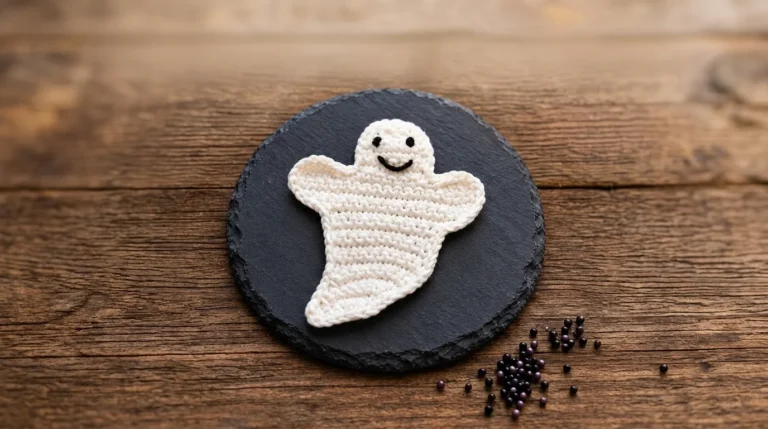
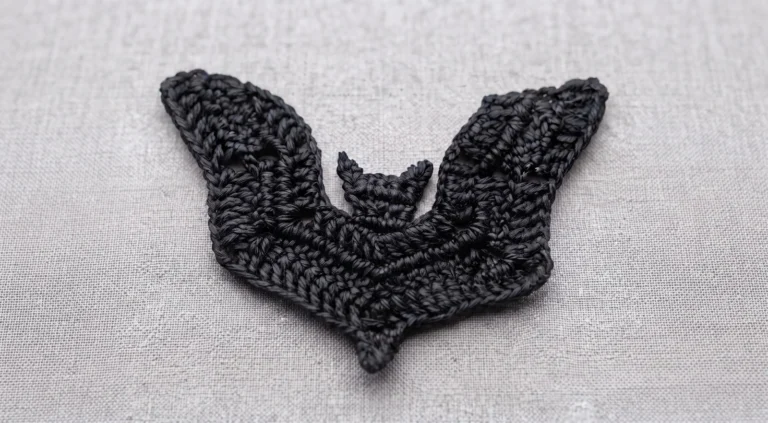
Popular Kinds of Appliqué

Small projects, endless possibilities; find something fun to crochet for every season and skill level.

1

Flowers, Leaves and Botanicals

Some of the most requested crochet appliqués, made to clip onto a hat, sew onto a bag, or scatter across a blanket border.

2

Animals and Character Appliqués

A flat, two-dimensional take on a favourite creature, from a simple bird silhouette to a flattened version of an amigurumi character you already love.

3

Holiday and Seasonal Motifs

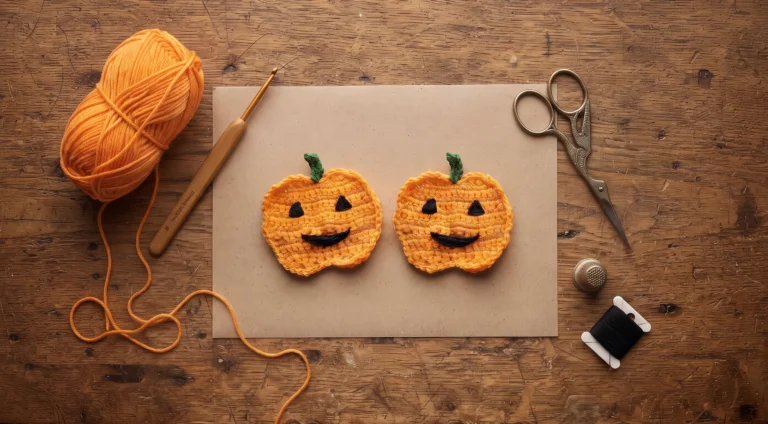
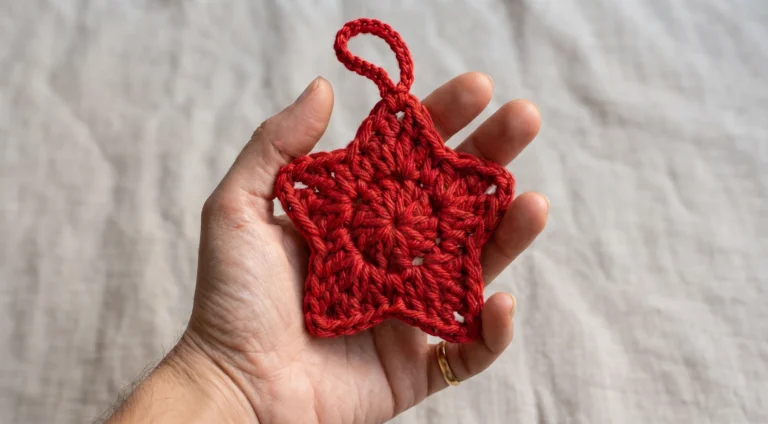
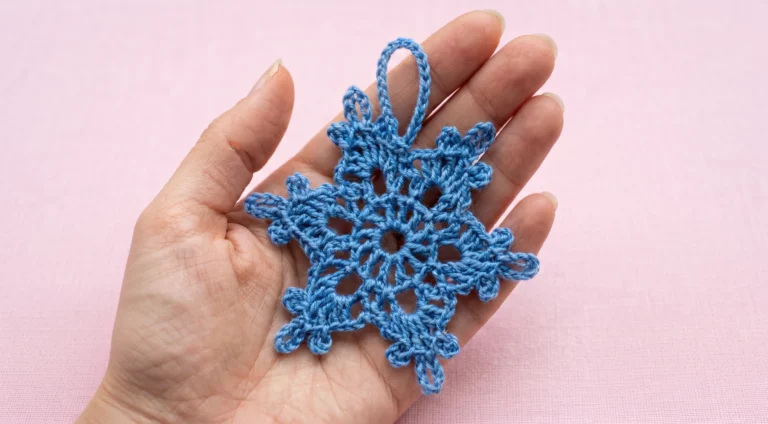
Snowflakes, stars, pumpkins and hearts, made to hang, clip or sit flat as festive décor.

4

Geometric Shapes, Letters and Numbers

Useful for monogramming a gift, labelling a nursery item, or adding a graphic accent to a plain background.

5

Garland and Bunting Motifs

Small, repeatable shapes designed to be made in quantity and joined into a string, ideal for a mantelpiece, a party, or a window display.

6

Appliqués for Garments and Bags

Motifs sized and shaped to sew onto a finished wearable, adding a personal touch without reworking the whole piece.

7

Nursery and Baby Appliqués

Soft, simple shapes like animals, initials and small motifs, sized to sit on a blanket, bib or baby hat.

8

Table and Home Appliqués

Larger, often doily-inspired motifs made to sit flat as a coaster, or grouped to trim a table runner or placemat.


Why Appliqués Are Great for Beginners

Appliqués are one of the friendliest places to start in crochet, because each one is small, fast, and forgiving of a mistake. Most are worked flat, in rows or simple rounds, using only a few basic stitches, so there’s no fitted shaping or stuffing technique to learn before you finish your first piece.

The learning curve here is really about finishing, not stitching. Getting an appliqué to lie flat, rather than cupping or curling, and attaching it neatly to a background, are the two skills that take a little practice. Both are covered below.


Stitches Appliqués Rely On

The right stitch changes how warm, stretchy or delicate the finished piece feels.

  • Chain and slip stitch appear in almost every appliqué, forming rings and outlines.
  • Single and half double crochet build the solid, filled-in sections of a motif, like petals or a leaf body.
  • Front and back post stitches add raised texture, useful for veins on a leaf or ridges on a pumpkin.
  • Picot stitches finish an edge with small decorative points, common on flowers and snowflake tips.
  • Surface crochet, worked directly on top of a finished piece, can add a contrasting outline or detail without starting a whole new motif.

Choosing Yarn for Appliqués

01

Smooth cotton or a light acrylic in worsted or DK weight is the standard choice, since it shows stitch definition clearly, which matters on a small, detailed motif. For pieces that need real structure, such as a snowflake or star meant to hang and hold its points, fine crochet thread worked with a small steel hook gives the crispest result.

02

Colour choice matters more here than in almost any other category. A flower or leaf usually looks best worked in two or three shades rather than one flat colour, since the contrast between rounds is what makes the shape read clearly from a distance.

03

Matching yarn weight to the background it will attach to matters as much as matching colour. A chunky appliqué on a fine, lightweight hat can look out of proportion and weigh down the brim, while a delicate thread-crochet motif can get lost on a bulky, textured blanket. Hold the finished appliqué against its intended background before you commit to sewing it on.


Choosing the Right Appliqué Size

Appliqués run small by nature, and the exact size depends heavily on your yarn weight and hook.

01

Mini Appliqués

Under 2in (5cm)

Think of a small flower or leaf.

02

Standard Appliqués

2 to 4in (5 to 10cm)

Think of most flowers and animal shapes.

03

Large Appliqués

4 to 6in (10 to 15cm) or more

Think of a statement flower, snowflake or table piece.

Because appliqués are judged by eye rather than by fit, a slightly larger or smaller finished size rarely matters, which makes them a forgiving category for experimenting with different yarn weights.

Why Do Appliqués Curl and How Do You Fix It?

Almost every appliqué starts to curl or cup slightly as it comes off the hook, and it’s rarely a mistake. It usually means your tension is a touch tight, or the stitch count in an outer round hasn’t quite kept pace with the round growing wider, both of which are completely normal in flat crochet.
Blocking is the fix. Pin the finished piece flat, right side up, on a blocking mat or a towel over a flat surface, spraying or lightly wetting it first, then let it dry fully before unpinning. For something that needs to hold real structure afterward, like a hanging snowflake or star, follow blocking with a stiffening solution, either a bought fabric stiffener or a simple mix of one part white craft glue to one part water, brushed on and pinned flat to dry.
If a motif still curls after blocking, try a hook one size larger next time, since curling is very often a sign of stitches worked slightly too tight for the yarn.

How to Attach a Crochet Appliqué

There are two common ways to add a finished appliqué to something else, and the right one depends on how permanent you want it to be.

Sewing gives the most secure hold, using a length of the same yarn the appliqué was made in and a tapestry needle. For anything where the back won’t be seen, like the inside of a bag, a simple running stitch around the edge is fast and secure. For anything where the back will show, like a blanket, sewing through only the front loops of the background fabric keeps the stitches nearly invisible from behind.

Gluing with fabric glue is the faster option, and it looks tidy from both sides, which makes it a good choice for decorative pieces that won’t see much handling. It’s a less durable hold than sewing, so it’s not the best choice for anything that will be washed or worn often.
Before attaching an appliqué either way, flatten or block it first, so it lies the same after attaching as it did on its own.

How Appliqués Are Built

Most appliqués are built one of two ways, and knowing which one a pattern uses helps you predict how it will behave once finished.

Worked in the round, starting from a magic ring or a small chain ring, then growing outward. This is how most flowers, snowflakes and circular motifs are built, and it’s also the construction most prone to curling if tension is uneven.
Worked in rows, back and forth like a small swatch, then shaped with increases, decreases or a chain-space outline. Leaves, hearts, stars and most animal silhouettes use this method, and it tends to lie flatter naturally than a round motif.
A few appliqués combine both: a round centre with petals or points added afterward in rows, common in more detailed flowers.

Adding Depth to a Simple Appliqué

Layering separate pieces is one of the easiest ways to add depth. A flower with a contrasting round sewn on top, or a leaf with a smaller leaf stitched over it in a different shade, reads as far more detailed than the stitch count alone suggests.
Embroidered details, like a French knot centre on a flower or a straight-stitch vein on a leaf, are a quick way to add a focal point without any extra crochet rounds.
Wire or pipe cleaner inserts, worked into the stem of a flower or threaded through petals, let an appliqué hold a bent or curved shape instead of lying completely flat, useful for a corsage or a hair clip.

How Crochet Appliqué Differs From Embroidery

Embroidery is stitched directly into the background fabric, building the design from individual stitches worked in place. A crochet appliqué is made separately, as its own small piece, then attached afterward. This separation is the appeal: you can make an appliqué in a completely different yarn weight or colour from the background, test a few versions before committing, or reuse the same motif across several projects.

It’s also more forgiving to redo. If an embroidered motif goes wrong, unpicking it can damage the background fabric. If an appliqué doesn’t turn out right, you simply make another one, with no risk to the piece you’re attaching it to.

Turning a Favourite Amigurumi Character Into a Flat Appliqué

If you’ve fallen for a particular amigurumi character but want something quicker, or something that can be sewn onto a hat or bag rather than sitting on a shelf, a flat appliqué version is often the answer. The general approach is to work the character’s main shape, the head and body outline, or just the most recognisable silhouette, as a single flat piece in rows or rounds, then add embroidered or small crocheted details, like eyes, a nose or a marking, on top rather than shaping them separately in three dimensions.

This isn’t a one-to-one conversion of an existing amigurumi pattern, since the two are built completely differently, but many designers release matching pairs, a stuffed version and a flat appliqué version of the same character, precisely because crocheters ask for both. If you love a specific creature from our amigurumi collection, it’s worth checking whether a flat version exists here too, since the same character often works well both ways.

Popular Crochet Appliqué Motifs, and Their Quirks

A crochet flower applique is usually built as layered rounds, a smaller centre round followed by one or two rounds of petals worked into the chain spaces below. The more rounds of petals, the fuller and more three-dimensional the finished flower looks.

A crochet leaf applique is typically worked flat in rows from the base to the tip, with increases at the sides before decreasing back to a point. A row of surface slip stitch or a few strands of embroidery down the centre reads as a vein.

A crochet star applique is built from a small centre round with elongated chain-and-stitch points worked outward, similar in construction to a snowflake, and benefits the most from stiffening if it’s meant to hang.

A crochet heart applique is usually two lobes worked from a single starting point, making it one of the quicker motifs to finish.

Letter and number appliqués are typically worked in rows following a simple grid, similar to filet crochet, then outlined afterward for definition.


Appliqués Aren’t Just Décor, They’re a Building Block

Appliqués aren’t only standalone pieces; they’re a component you build other things from.

1

Garlands and bunting: the most direct use. Make several matching or coordinating motifs, string them along ribbon or cord, and you have a finished garland with no additional crochet beyond the motifs themselves.

2

Embellished garments and bags: a single flower or a small cluster sewn onto a plain hat, cardigan or tote instantly personalises something otherwise simple, without reworking the whole piece.

3

Blanket and border accents: appliqués scattered across a plain panel or spaced evenly along an edge turn a solid-colour blanket into a scene or a themed piece.

4

Table and home pieces: a single large appliqué, often doily-style, works as a coaster or trivet on its own, or several joined together form a table runner or placemat set.

5

Gift toppers and cards: a small motif glued or sewn onto wrapping or a handmade card adds a handmade touch for almost no cost in time or yarn.

6

Nursery and keepsake pieces: initials, small animals and simple shapes sewn onto a baby blanket or bib make a one-off gift feel personal.

Common Appliqué Mistakes Beyond Curling

  • Uneven petal or point count between rounds, which happens when a round’s stitch count is estimated rather than counted exactly. Following the stitch counts given at the end of each round keeps every layer matching.
  • Colour value clashing, where two shades are close enough in darkness that the layers blur together instead of standing out. Choosing colours with a clear difference in lightness, not just a different hue, keeps the layered structure visible.
  • Forgetting to weave in ends before stiffening, which locks a loose tail in place once the glue or stiffener dries. Always weave in every end and check the motif is fully finished before you stiffen it.
  • Points or petals losing shape during stiffening, usually from handling the piece before it’s fully dry. Pin the motif to the exact shape you want before the stiffener sets, and leave it undisturbed until completely dry.
  • Scale mismatch, where a motif is crocheted at a size that doesn’t suit its background, such as a large statement flower on a delicate baby hat. Holding the appliqué against its background before sewing catches this early.

Appliqué Habits Worth Building

A handful of habits make these quick projects even more enjoyable.

  • Flatten or block a motif before attaching it, so it lies smoothly once sewn or glued on.
  • Try a hook one size larger if a piece curls stubbornly after blocking.
  • Sew through front loops only if the back of the work will be visible.
  • Stiffen anything meant to hang, like a snowflake or star, with diluted craft glue or a bought stiffener.
  • Skip stiffener entirely on anything that will be washed regularly, and rely on a snug tension and secure sewing instead.
  • Hold a finished appliqué against its intended background before sewing, to check the yarn weight and scale look proportional.
  • Make a small batch of matching motifs in one sitting if you’re planning a garland, so the colours and tension stay consistent across all of them.

Appliqué Questions, Answered

Slightly, and it’s normal. Flat crochet motifs often cup a little as they come off the hook, which blocking usually corrects. If curling is severe, try a slightly larger hook next time.

Sew it on with a length of matching yarn and a tapestry needle for a secure hold, or use fabric glue for a faster, decorative-only attachment. Flatten or block the appliqué first so it lies smoothly once attached.

Brush on a mix of one part white craft glue to one part water, or a bought fabric stiffener, then pin the piece flat to dry. This is the standard method for ornaments and hanging motifs that need to keep a crisp shape.

Usually yes, as long as the appliqué wasn’t stiffened. A sewn, unstiffened motif in cotton or acrylic can typically be washed along with the item it’s attached to.

Amigurumi are small, stuffed, three-dimensional toys, usually worked in a continuous spiral. Appliqués are flat and unstuffed, made to lie against a surface rather than stand alone.

Not directly, since the two are built completely differently, but you can often find a matching flat version of a popular character, or design a simplified flat silhouette based on the same shape and colours.

Smooth cotton or light acrylic in worsted or DK weight is the most common choice. Fine crochet thread suits smaller, more detailed motifs that need extra crispness.

Check the pattern’s first instruction. A pattern that starts with a magic ring or a small joined chain ring is worked in the round; one that starts with a foundation chain and turns at the end of each line is worked in rows.

Yes, within limits. Using a thicker or thinner yarn than the pattern calls for changes the finished size proportionally.

Yes. A run of matching appliqués, joined edge to edge or sewn onto a fabric or crochet base, can build a full table runner, placemat set, or a themed blanket panel.

Most fabric stiffeners and diluted glue mixes need several hours to dry completely, and can take up to a full day for a thicker or more densely stitched motif. Leave the piece pinned flat and undisturbed for the full drying time.

Yes, as long as it was glued rather than sewn on. A glued motif can usually be gently peeled off and reattached elsewhere. A sewn motif would need the stitching removed first.

What to Crochet Next

Finished an appliqué and want to attach it to something? Browse our accessories for a hat or bag to sew it onto, or start a blanket to use it as a border motif.

Browse Amigurumi Browse Blankets