
Free Crochet Accessory Patterns
Accessories are where crochet earns its reputation as the most giftable craft there is. This collection brings together a crochet hat pattern free to download for almost every style, alongside beanies, caps, shawls and scarves, most finished in a single weekend. They’re small enough to try a new stitch or colour combination without a big commitment, and they make some of the most appreciated handmade gifts you can give. If you make accessories to sell, see how to sell crochet at craft fairs and use our crochet pricing calculator to price each piece.
Pick a style below to check its materials, size and skill level, then download the PDF and get started.
Choosing the Right Accessory to Make
Small projects, big variety. There’s a style here for every season and skill level.
1
Beanies and Hats
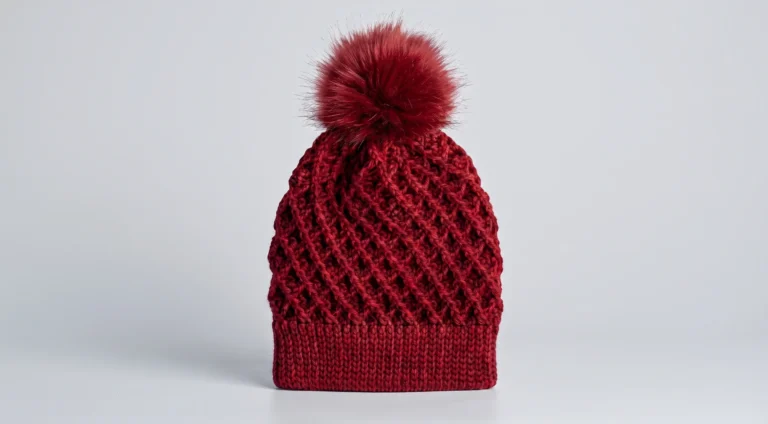
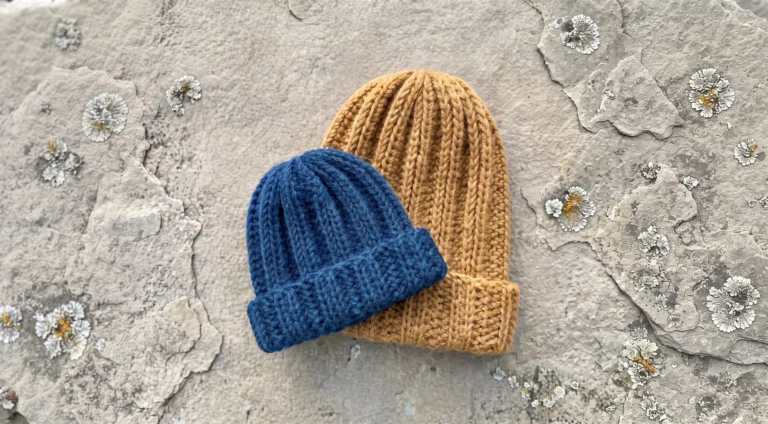
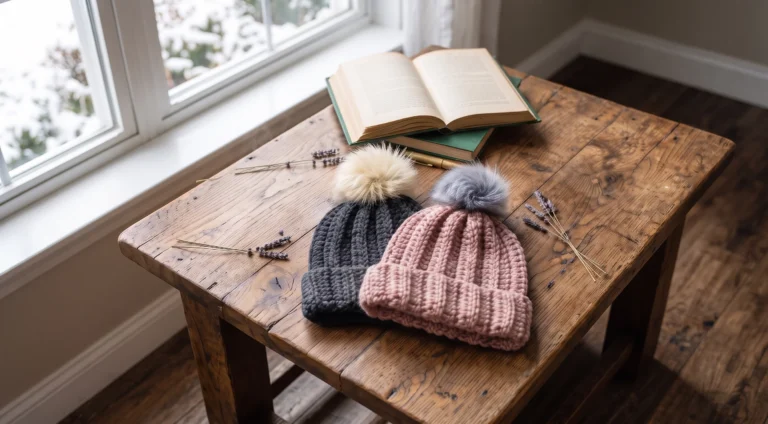
Worked in the round from crown to brim, a crochet beanie hat pattern is one of the fastest satisfying makes there is, often finished in an evening or two.
2
Caps
Structured, brimmed styles with a bit more shaping than a soft beanie. A crochet cap pattern suits crocheters who want a slightly firmer, sportier finish.
3
Shawls
Worked in triangles, rectangles or crescents, shawls are endlessly adaptable. Crochet shawl patterns range from simple garter-style rows to detailed lace, so there’s one for every confidence level.
4
Scarves
Long, straightforward and one of the best projects for practising a new stitch, since you repeat the same rows for the whole length.
5
Gloves and Mittens
Smaller and a little more detailed, with shaping for fingers or a thumb gusset. A rewarding project once you’re comfortable with basic shaping.
6
Scrunchies and Hair Ties
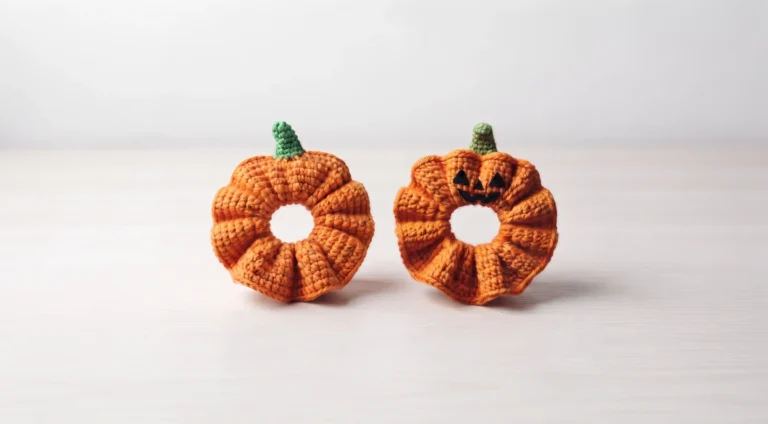
Quick, elastic-gathered accessories that use almost no yarn. A great way to use up short leftover lengths from a bigger project.
7
Earrings and Small Trims
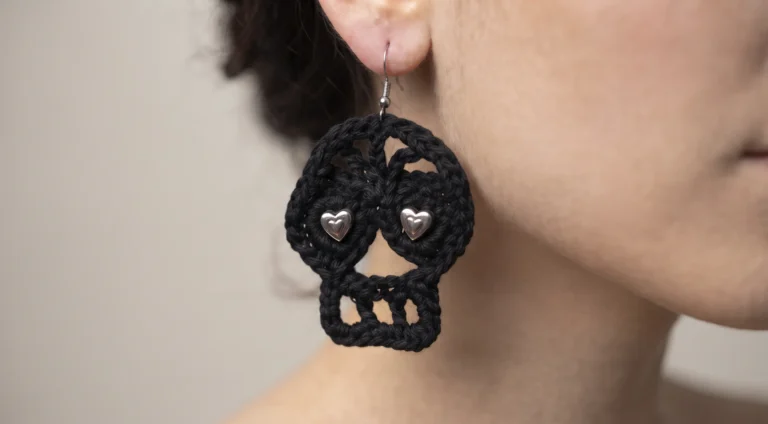
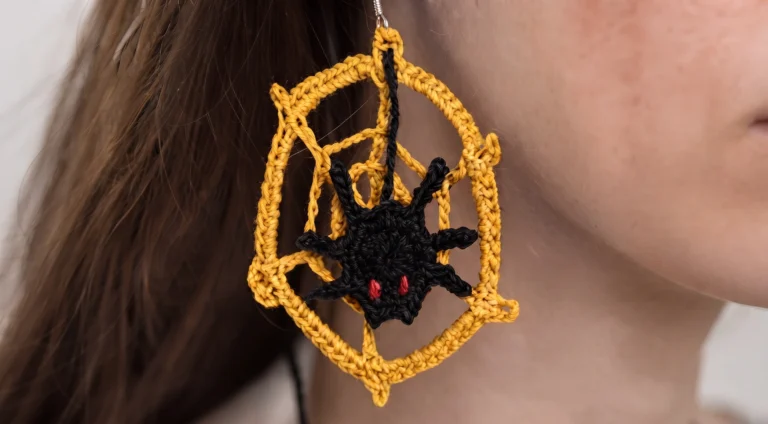
Lightweight thread-crochet pieces like earrings, cuffs and collars, worked with fine cotton and a small steel hook to hold their shape.
8
Home Décor
Coasters, small baskets, plant hangers and other quick pieces for around the house. Sturdy stitches and forgiving sizing make these a good project for using up leftover yarn.
Why Crochet Accessories Are Great for Beginners
Accessories are usually the very first thing a new crocheter finishes, and for good reason. A scarf is just rows repeated to length, and many beanie patterns use only single or double crochet worked in the round with simple increases. Because these projects are small, you’ll also finish faster, which keeps motivation high while you’re still learning to read a pattern.
Shawls and gloves ask a little more, since shawls often introduce lace and increases, and gloves involve shaping for fingers. Both are worth saving for once you’ve completed a hat or scarf and feel steady with your tension.
Stitches That Suit Accessories
The right stitch changes how warm, stretchy or delicate the finished piece feels.
Choosing Yarn for Accessories
01
Accessories are a great place to try a yarn you wouldn’t commit to for a whole sweater. Wool and wool blends are warm and elastic, which suits hats, mittens and anything that needs to stretch around a head or hand. Soft acrylic is a budget-friendly, easy-care choice for gifts, especially for children. For shawls and scarves, a yarn with drape, such as a fine wool, alpaca or a wool-silk blend, gives the finished piece movement rather than stiffness.
02
Because these projects use less yarn than a garment, it’s often worth spending a little more on a nicer skein. A single ball is sometimes all a hat or a pair of mittens needs, so the cost difference between a budget yarn and a beautiful one is small, and the improvement in feel is noticeable.
03
For earrings, most patterns call for fine crochet thread rather than regular yarn, worked with a small steel hook. Thread crochet holds a crisp shape well, which matters for pieces meant to be worn.
Getting the Size Right
Hats and gloves rely on head and hand circumference, while shawls and scarves are more flexible. As a rough guide:
01
Baby/toddler hat
About 14 to 18 in (35 to 46 cm) head circumference
02
Adult hat
About 21 to 23 in (53 to 58 cm) head circumference
03
Average adult gloves
About 7 to 8 in (18 to 20 cm) hand circumference
04
Scarf
Commonly 60 to 70 in (150 to 180 cm) long
05
Triangle shawl
Wingspan often 60 to 70 in (150 to 180 cm) across the top edge
Because a hat needs to stretch to fit, most patterns are worked slightly smaller than the head measurement. Check the pattern’s gauge and stretch notes before you choose a size.
Choosing Between a Beanie, Cap or Toque
These words describe similar shapes with small differences. A beanie is a soft, close-fitting hat with no brim, often finished with ribbing at the edge. A cap usually has a small brim or structured shape, giving it more of a sporty look. Toque is mostly a Canadian term for the same soft, brimless hat as a beanie. Search by whichever word feels familiar. You’ll find them together in this collection, since the techniques barely differ.
Choosing a First Shawl
A first shawl is easiest as a simple triangle, worked from the top down in rows of increasing stitches, using one main stitch throughout. Skip anything with charted lace or colourwork until you’ve finished a plain one, so you can focus on the shape and the increases rather than following a complicated repeat. A shawl also makes an easy travel project, since a single row is quick to complete and easy to put down.
Choosing Yarn for Home Décor Pieces
Home décor items get handled and washed more than most accessories, so yarn choice matters more here than it looks. Cotton is the standard pick for coasters and anything that sits under a hot mug, since it holds up to heat and repeated washing far better than acrylic, which can flatten or lose shape under regular use. For baskets and plant hangers, look for a sturdier, less stretchy fibre, or work with yarn held double, since these pieces need to hold their shape under real weight rather than drape softly like a garment. If you’re making a matching set, such as a run of coasters, keep your hook and tension consistent across all of them; a set that’s slightly different sizes reads as unfinished in a way a single piece never would.
Accessory-Making Habits Worth Building
A handful of habits make these quick projects even more enjoyable.
Accessory Questions, Answered
What to Crochet Next
Enjoyed a quick project? Try a cute amigurumi for your next make, or go bigger with a cosy blanket.