
Free Crochet Sweater Patterns
Crocheting a sweater is one of the most satisfying things you can do with a hook, and it’s more approachable than it looks. These free crochet sweater patterns include cardigans, pullovers and vests, many built from simple rectangles or squares, with sizing information so you can choose the fit you want before you buy yarn.
Pick a design below to see the materials, sizes and skill level, then download the PDF. If you know your gauge and your measurements, you’re already most of the way to a sweater that fits.
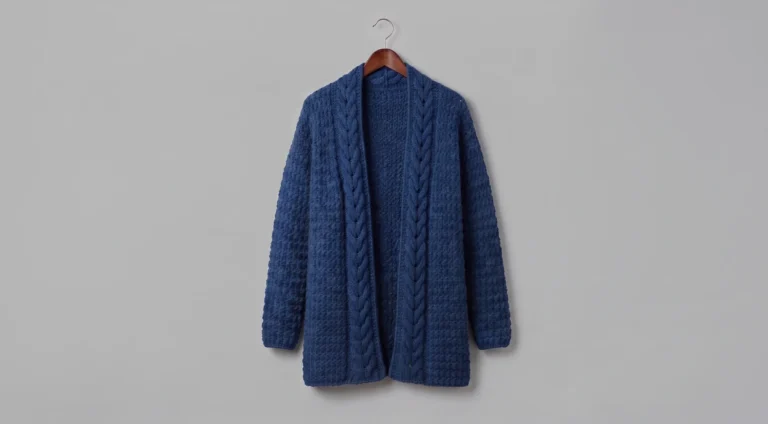
Choosing the Right Kind of Sweater to Make
Cardigan, pullover or vest? Each has its own charm and its own level of challenge.
1
Cardigans
Open at the front, so they’re forgiving on fit and easy to layer. A crochet cardigan pattern is often the friendliest first garment, because you can try it on as you go and adjust the length before you finish.
2
Pullover Sweaters
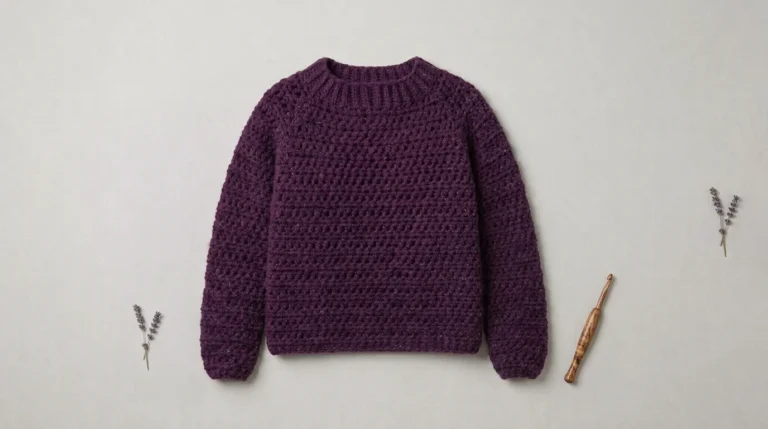
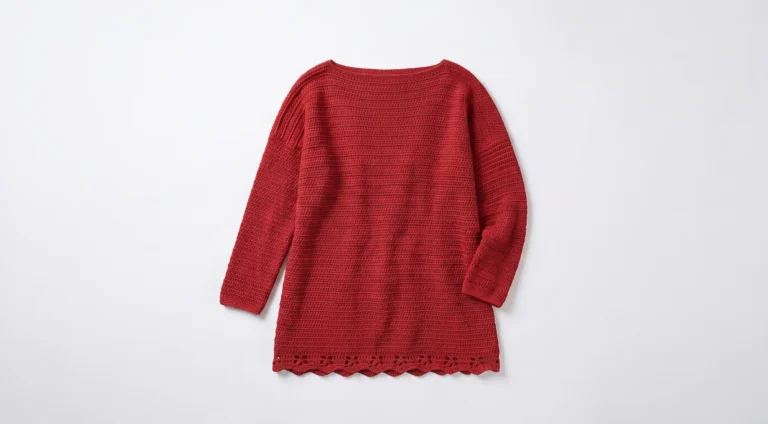
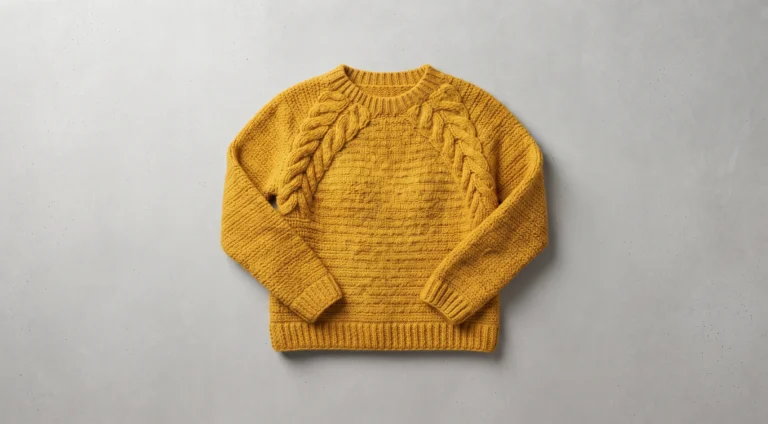
Closed at the front and worn over the head, pullovers are the classic cosy choice. Patterns range from boxy, oversized shapes to fitted styles, with a little more shaping at the neck.
3
Vests
Sleeveless, quick to make and useful in every season. A crochet vest pattern is a good stepping stone into garments, since you skip the sleeves and use less yarn.
4
Motif and Granny Square Sweaters
Built from joined squares or hexagons, then seamed together. Motif sweaters suit colourful yarn and leftovers, and you can make the pieces a little at a time.
Crocheting Your First Sweater as a Beginner
Yes, as long as you pick the right one. The easiest sweaters are built from simple rectangles that are seamed together, with no shaping at all. Boxy cardigans, vests and oversized pullovers are all good places to start, because a loose fit is far more forgiving than a fitted one.
Sweaters are worked in two main ways. Seamed sweaters are crocheted in flat pieces and sewn together, which makes it easy to adjust each part. Top-down sweaters start at the neck and grow downwards in one piece, so you can try them on as you go. Choose whichever sounds less daunting, and read the pattern all the way through before you begin.
Stitches That Suit Sweaters
The right stitch gives you drape, and drape is what makes a garment feel like a garment.
Choosing Yarn for a Sweater
01
A sweater lives or dies by its yarn. Look for something with good drape, such as a wool, cotton or bamboo blend, or a soft acrylic blend, in DK or light worsted weight. Very stiff or heavy yarn makes a thick, boxy fabric, and 100% cotton can grow and sag with wear, so blends are often kinder. Buy all your yarn at once from the same dye lot, and remember that a sweater needs a lot of yarn. Adult sizes often use 1,000 to 2,000 yards or more.
02
Make a generous swatch, wash it the way you’ll wash the finished sweater, and measure it again. Washing changes drape and gauge, and it’s much better to find that out on a small square than on a finished garment.
Finding Your Size and Fit
Measure your bust or chest at the fullest point, then choose a size based on how much ease you want. Ease is the difference between your body and the finished garment. As a rough guide:
01
Close-fitting
0 to 2 in (0 to 5 cm) of ease
02
Standard fit
2 to 4 in (5 to 10 cm) of ease
03
Relaxed fit
4 to 6 in (10 to 15 cm) of ease
04
Oversized
6 in (15 cm) of ease or more
Crochet fabric usually stretches less than knitting, so check each pattern’s finished measurements, and measure a sweater you already love to compare.
Choosing Between Top Down and Seamed Sweaters
Top-down sweaters are worked from the neckline downwards, which lets you try the garment on as you go and adjust the body and sleeve length exactly. Seamed sweaters are made in panels, and joining them gives extra structure at the shoulders. Many crocheters like seamed patterns for stability and top-down patterns for fit. If you dislike sewing, choose top-down. If you like predictable, separate pieces, choose seamed.
How a Cardigan, Pullover, Jumper and Jersey Differ
These words mean different things in different places. A cardigan opens at the front, while a pullover goes on over the head. In the UK and Ireland a pullover is usually called a jumper, and “jersey” is used in some regions for the same garment. You’ll find crochet cardigan patterns, jumper patterns and jersey designs all in this collection, so search by whichever word you know.
Sweater Habits That Save Time
A few small habits will save you a lot of unpicking.
Sweater Questions, Answered
What To Crochet Next
Finished your sweater? Try a lighter make for warmer days, or a hat or shawl to go with it.