
Free Amigurumi Crochet Patterns
Amigurumi is where crochet gets playful. It’s the Japanese craft of crocheting small stuffed characters, usually worked in the round in single crochet, and it’s grown into one of the most loved corners of the hobby. This collection brings together free amigurumi crochet patterns for pets, wild animals, cute original characters, and seasonal favourites for Halloween and the winter holidays.
Choose a character below to see its materials, size and skill level, then download the PDF. Most amigurumi patterns use only a handful of stitches, so they’re a wonderful way to practise shaping and finishing on something small.
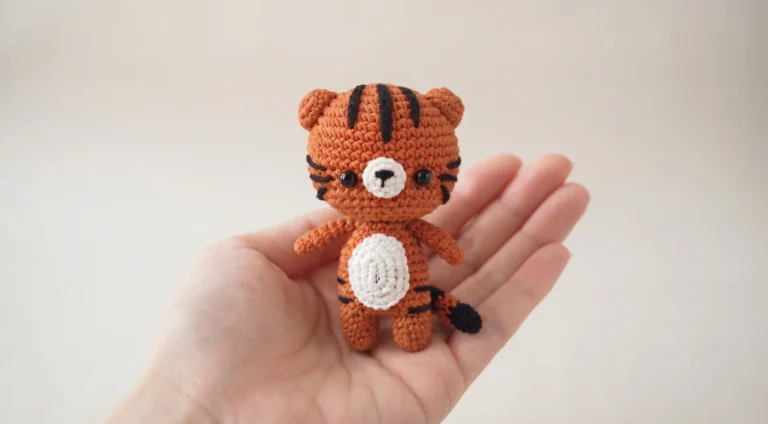
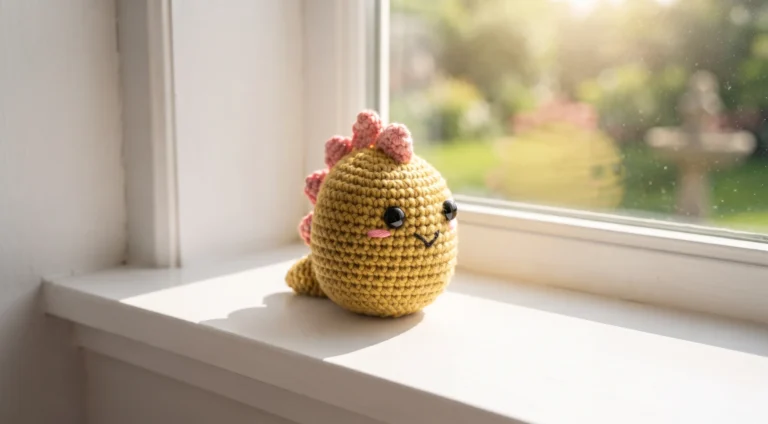
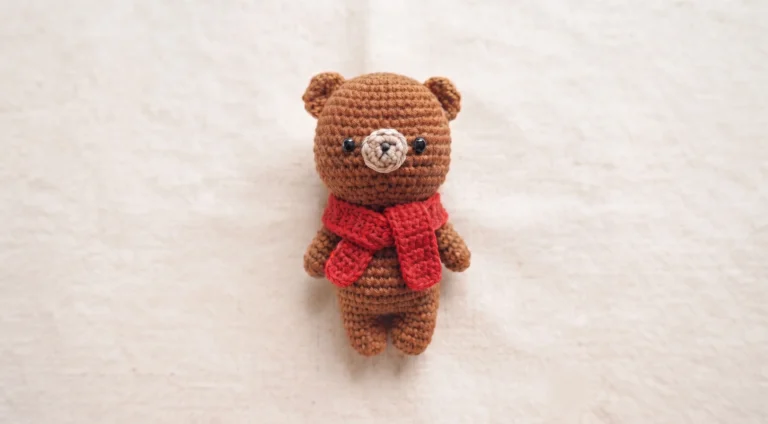
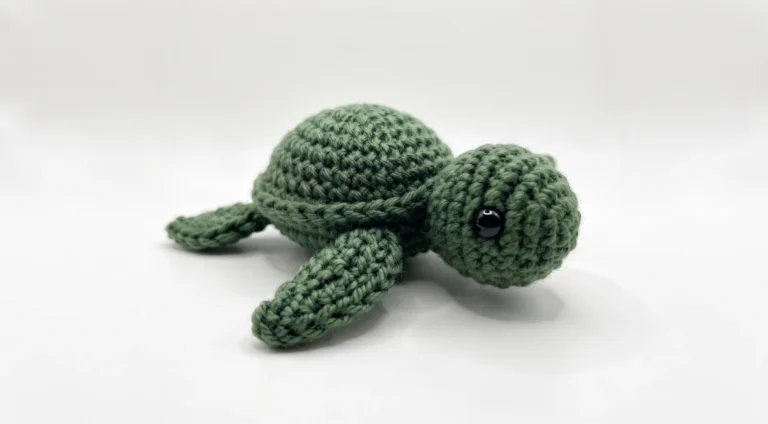
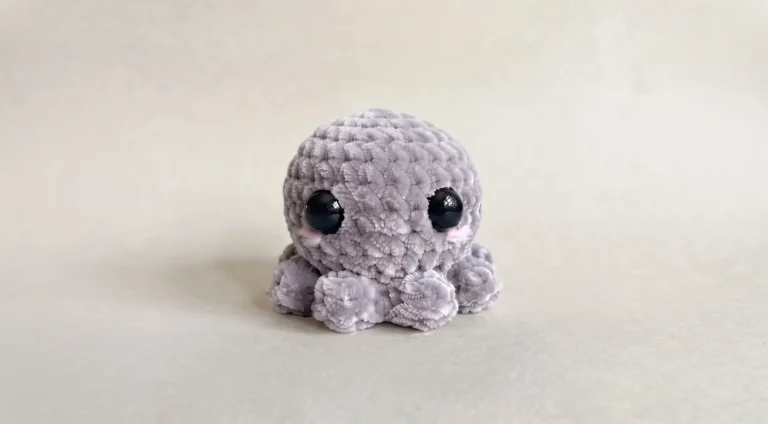
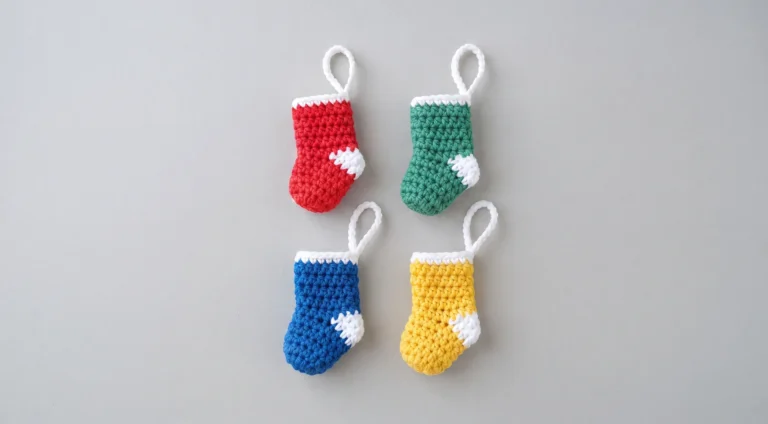
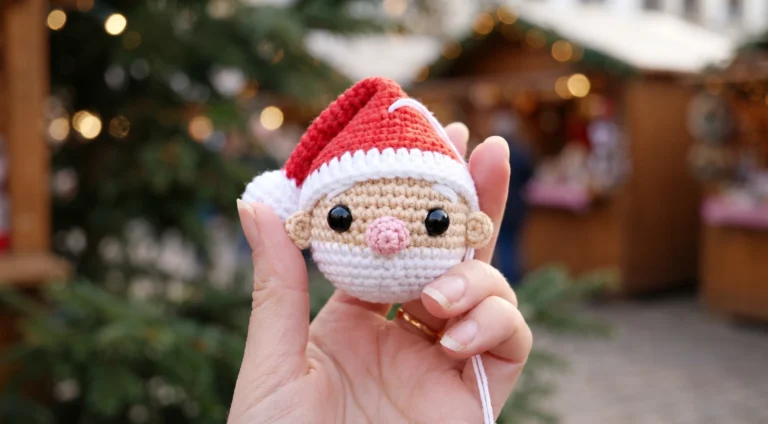
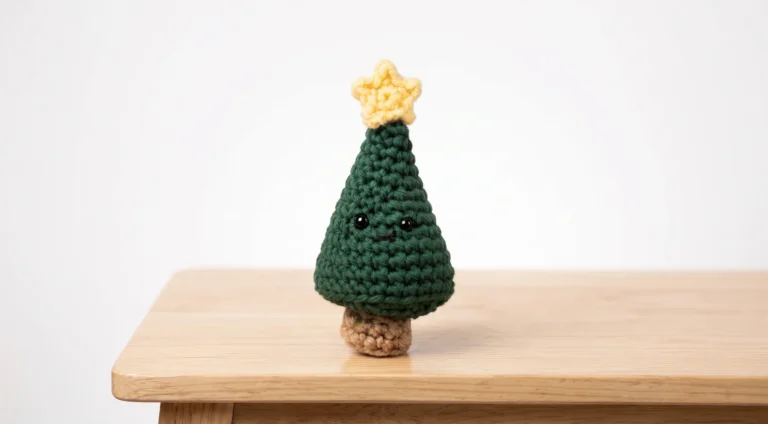
Choosing a Character to Make
From a family pet to a spooky Halloween line-up, amigurumi covers a lot of ground.
1
Pets and Companion Animals
Cats, dogs and beloved breeds like the Yorkie are some of the most requested amigurumi of all. A crochet dog pattern or crochet cat pattern makes a personal, huggable gift, especially for a pet lover.
2
Farm and Woodland Animals
Bunnies, foxes, hedgehogs and other familiar creatures. A crochet bunny pattern is one of the most popular amigurumi searches there is, and a lovely first animal to make.
3
Wild and Exotic Animals
Crocodiles, lions, elephants and other animals with a bit more personality in their shaping. These often introduce new techniques like textured stitches for scales or manes.
4
Cute Original Creatures
Playful, made-up characters and friendly monsters with their own look and personality, rather than modelled on any existing franchise. A fun category for original design and bold colour choices.
5
Dolls and Kawaii Characters
Soft dolls with simple embroidered or safety-eye faces, often dressed in tiny crocheted outfits. A favourite for gifting and for practising embroidery on amigurumi.
6
Halloween Amigurumi
Bats, ghosts, pumpkins and other spooky-cute characters. Halloween crochet patterns are some of the most searched seasonal makes, and small enough to finish before the holiday arrives.
7
Christmas and Winter Amigurumi
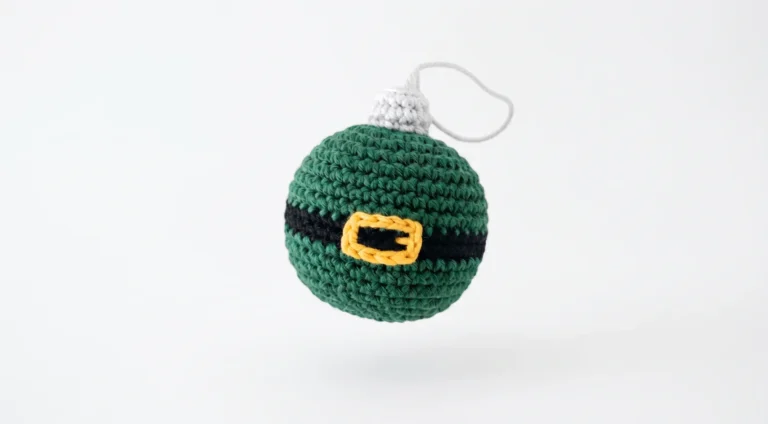
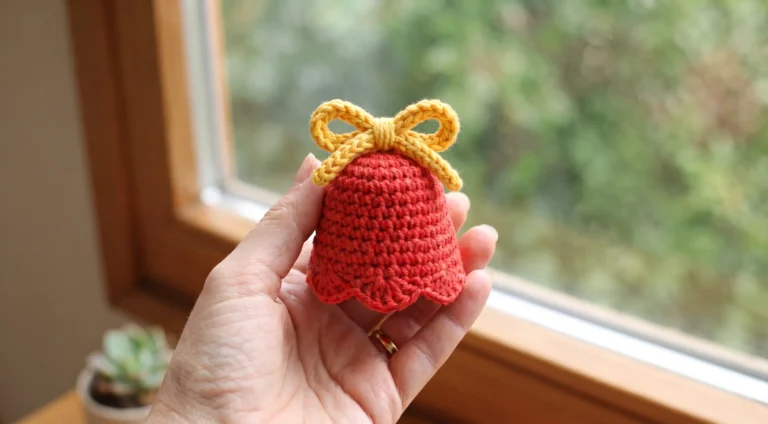
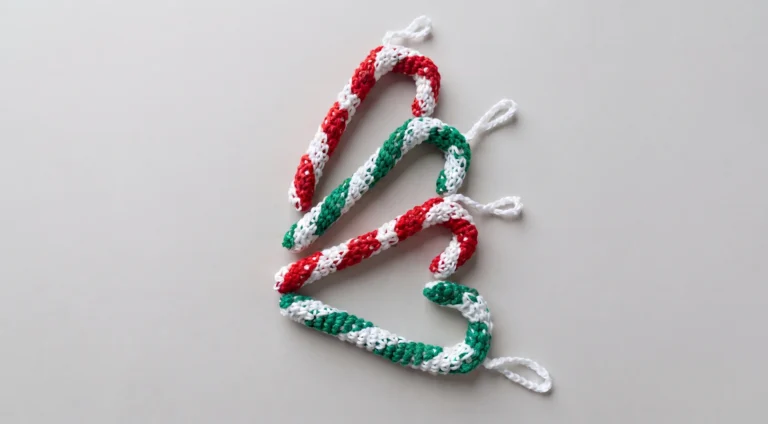
Snowmen, reindeer and other festive characters, worked the same way as any amigurumi but dressed for the season. A popular category for handmade gifts and stocking fillers.
8
Keychains and Mini Amigurumi
Tiny versions of larger characters, usually under 3 inches tall, finished off with a keyring or clasp. Quick to make and popular as small gifts or add-ons to an order.
Why Amigurumi Is Great for Beginners
Amigurumi is one of the friendliest places to start, because most characters use just two or three stitches worked over and over: single crochet, with increases and decreases to shape the head and body. There’s no fitting to worry about and no long rows to keep straight, which makes it more forgiving than a garment.
The learning curve sits in three places: working in a continuous spiral without joining each round, keeping your tension tight enough that stuffing doesn’t peek through the stitches, and sewing the pieces together neatly at the end. Once you’ve made one small animal, the next one follows the same logic, just with a different shape.
Stitches and Techniques Amigurumi Relies On
A small set of techniques covers almost every character in this collection.
Choosing Yarn for Amigurumi
01
Smooth, worsted-weight cotton or acrylic is the standard choice for amigurumi, because it shows stitch definition clearly and holds its shape once stuffed. Cotton gives a slightly firmer, more matte finish, while acrylic is softer and easier on the budget for larger projects. Whichever you choose, a tight gauge matters more here than in most other crochet, since loose stitches let the toy stuffing show through.
02
Many amigurumi crocheters use a hook one or two sizes smaller than the yarn label suggests. This tightens the fabric and closes the small gaps between stitches, giving a neater, sturdier finished character, especially important for anything intended for a child.
03
Solid, non-variegated colours work best for most amigurumi, since they let the shaping and any embroidered details stand out clearly. Save fuzzy, boucle or eyelash yarns for small accents like fur trims or manes rather than the whole body, because their texture hides the stitch definition that gives a character its crisp shape.
Choosing the Right Amigurumi Size
Amigurumi sizes vary widely by character and yarn weight. As a rough guide:
01
Keychain / mini amigurumi
under 3 in (7.5 cm)
02
Small amigurumi
About 4 to 6 in (10 to 15 cm)
03
Standard amigurumi
bout 7 to 10 in (18 to 25 cm)
04
Scarf
Commonly 60 to 70 in (150 to 180 cm) long
05
Triangle shawl
Wingspan often 60 to 70 in (150 to 180 cm) across the top edge
Finished size depends on your yarn weight, hook size and tension, so a quick test round or two at the start of a pattern will tell you whether your character will match the size shown.
Amigurumi Safety for Babies and Young Children
Safety eyes, small buttons and other tiny attachments are a choking risk for babies and toddlers, so choose embroidered features instead for anything intended for a young child, and stuff firmly enough that seams don’t gape. Check any pattern’s suggested age range before you start, and sew all joins securely with a doubled thread. A gift for an older child or an adult has more freedom, but it’s always worth thinking about who will actually be holding the finished piece.
Alternatives to Plastic Safety Eyes
If you’d rather avoid small plastic pieces altogether, felt circles stitched on with a needle and thread give a soft, secure alternative, and satin stitch embroidery gives the most baby-safe finish of all, since there’s nothing attached that could work loose. Both take a little more time than snapping in a safety eye, but they’re worth it for anything a very young child will hold, chew or sleep with.
Displaying and Storing Your Amigurumi
Keep finished characters out of direct sunlight, since strong light fades yarn colour over time, especially reds and darker shades. A light dusting with a soft brush keeps them clean, and a gentle hand wash in cool water works for most cotton or acrylic pieces if they need a proper clean, dried away from direct heat. Store spares in a fabric bag or box rather than a sealed plastic one, so the yarn can breathe.
Giving Amigurumi as a Gift
A finished amigurumi is one of the most personal handmade gifts there is, and it’s easy to tailor to the recipient. Match a character to a pet, a favourite animal or a hobby, and consider the size and safety features covered above if it’s for a young child. A small tag with the character’s name, or a care note on washing, is a nice finishing touch if you’re giving or selling one on.
Amigurumi Habits Worth Building
A few consistent habits make a big difference to how neat a finished character looks.
Amigurumi Questions, Answered
What to Crochet Next
Enjoyed making a character? Try a hat or a small accessory to go with it, or start a blanket for your next bigger project.